The Fat Lady sang over our 2025 Season which was a great one. We turned the page on last season and are already in our third week of the new 2026 Season.
With exception of primarily a couple of weeks in October, we are totally booked out for this year’s season and are making reservations nearly daily for our 2027 Season. Considering everything going on in the world we feel very fortunate.
100 Years of Dude Ranching 1926 – 2026.
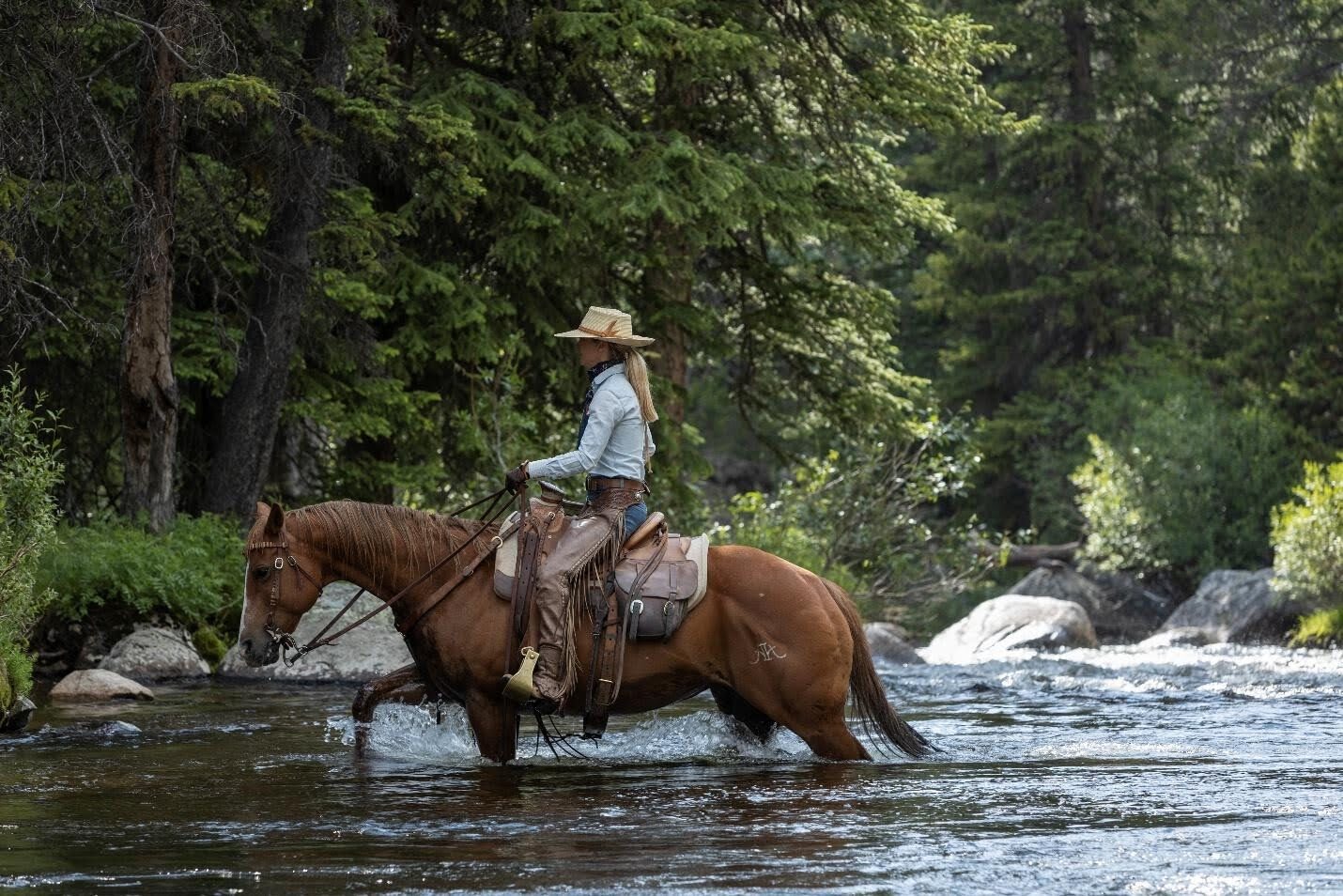
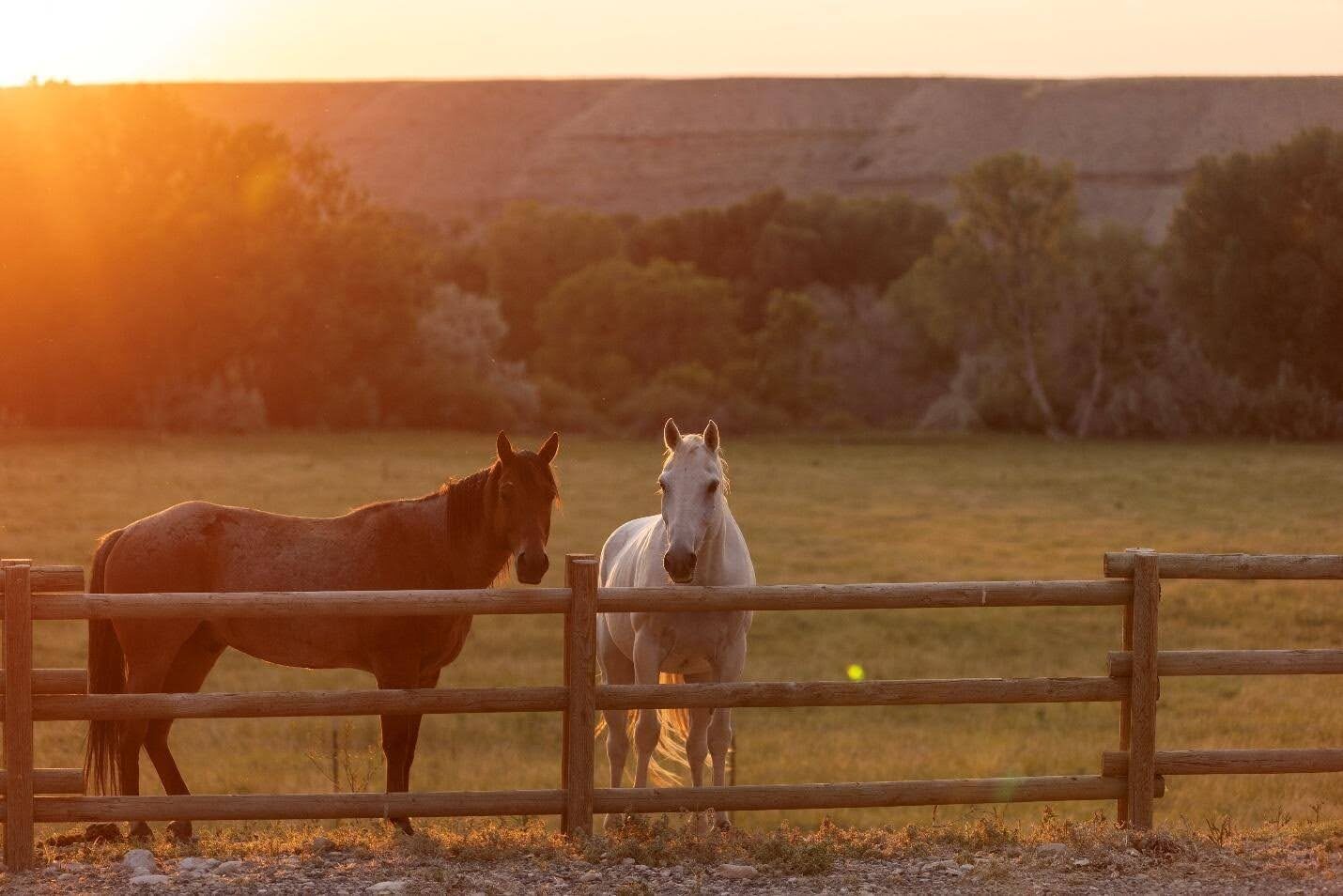
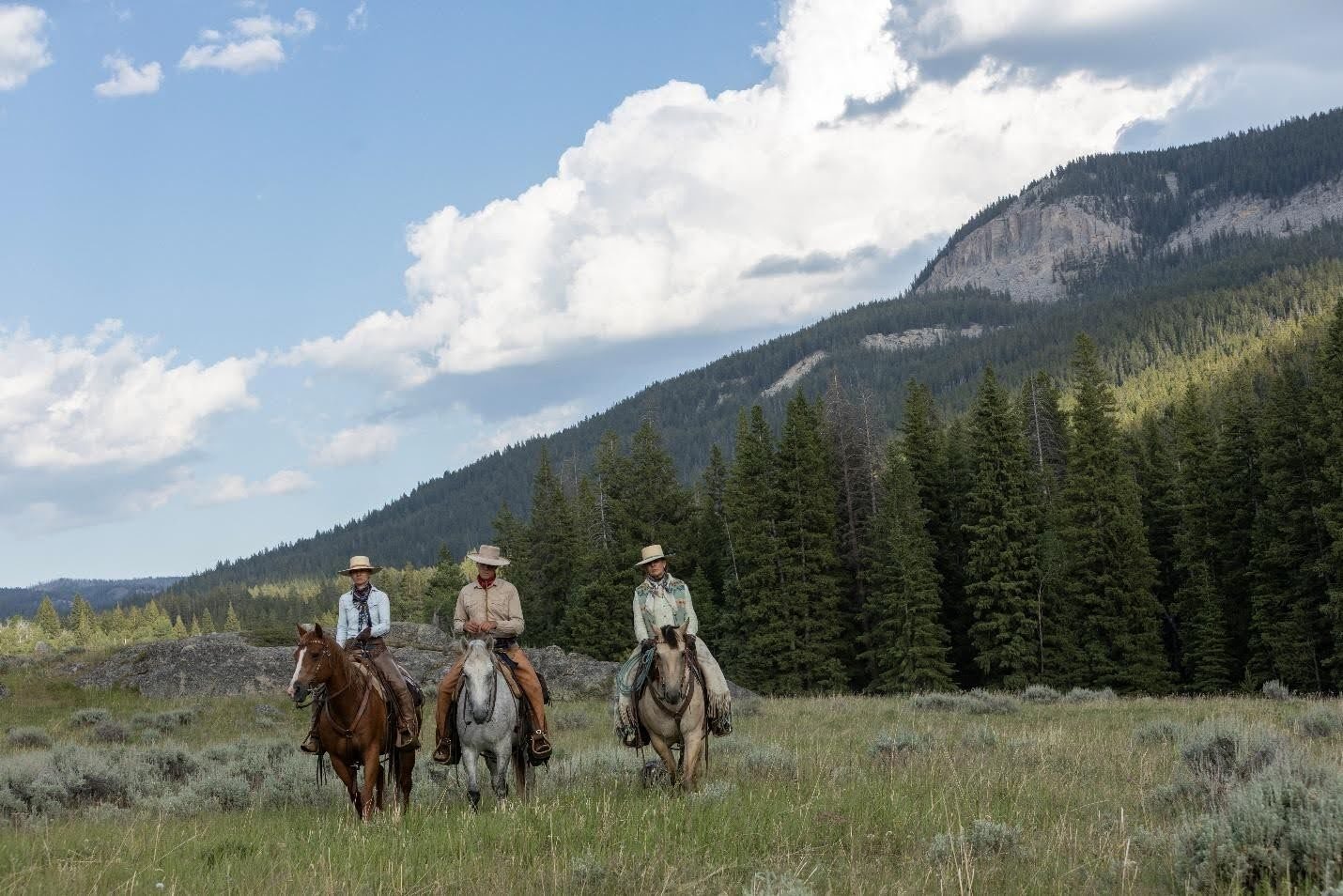
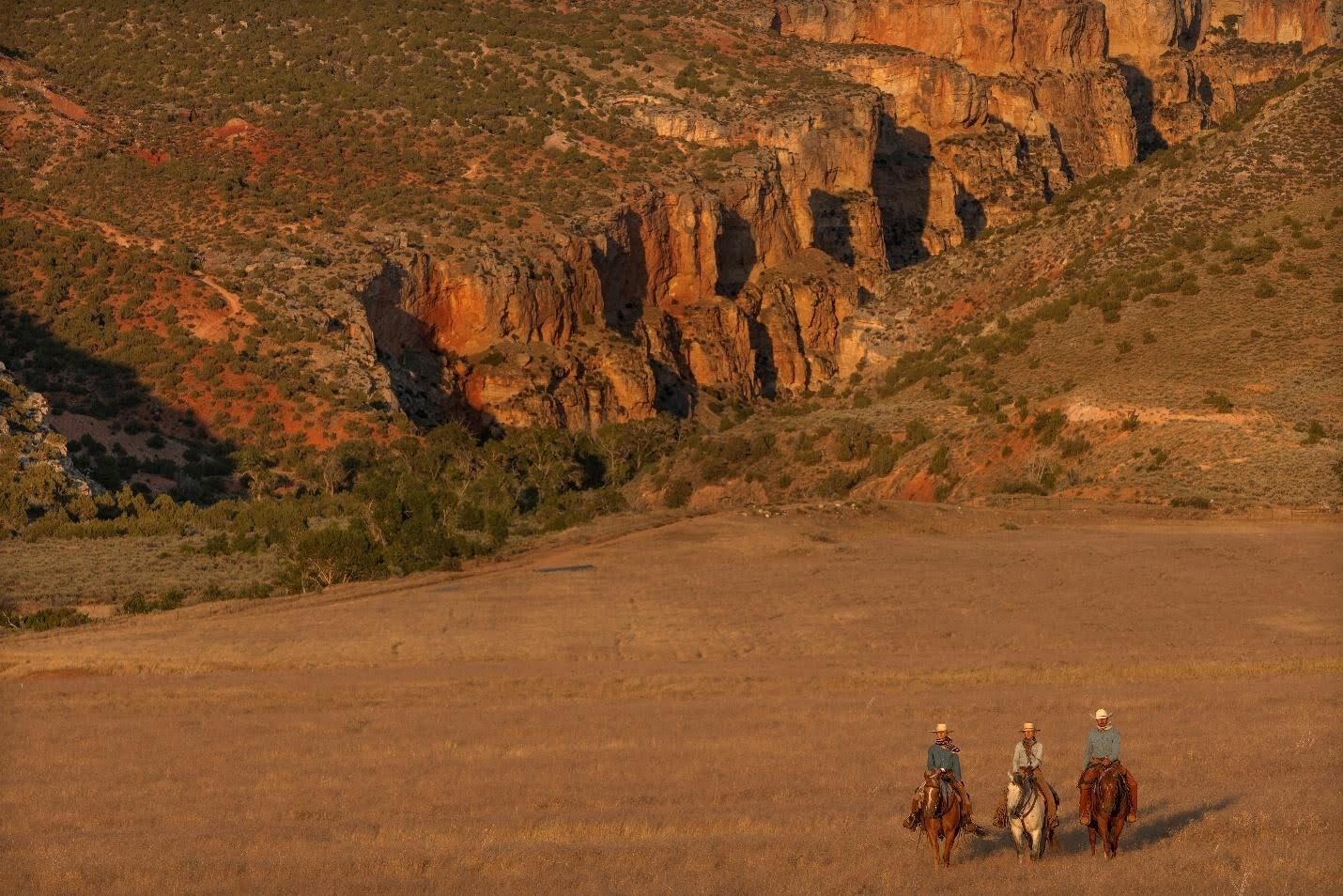
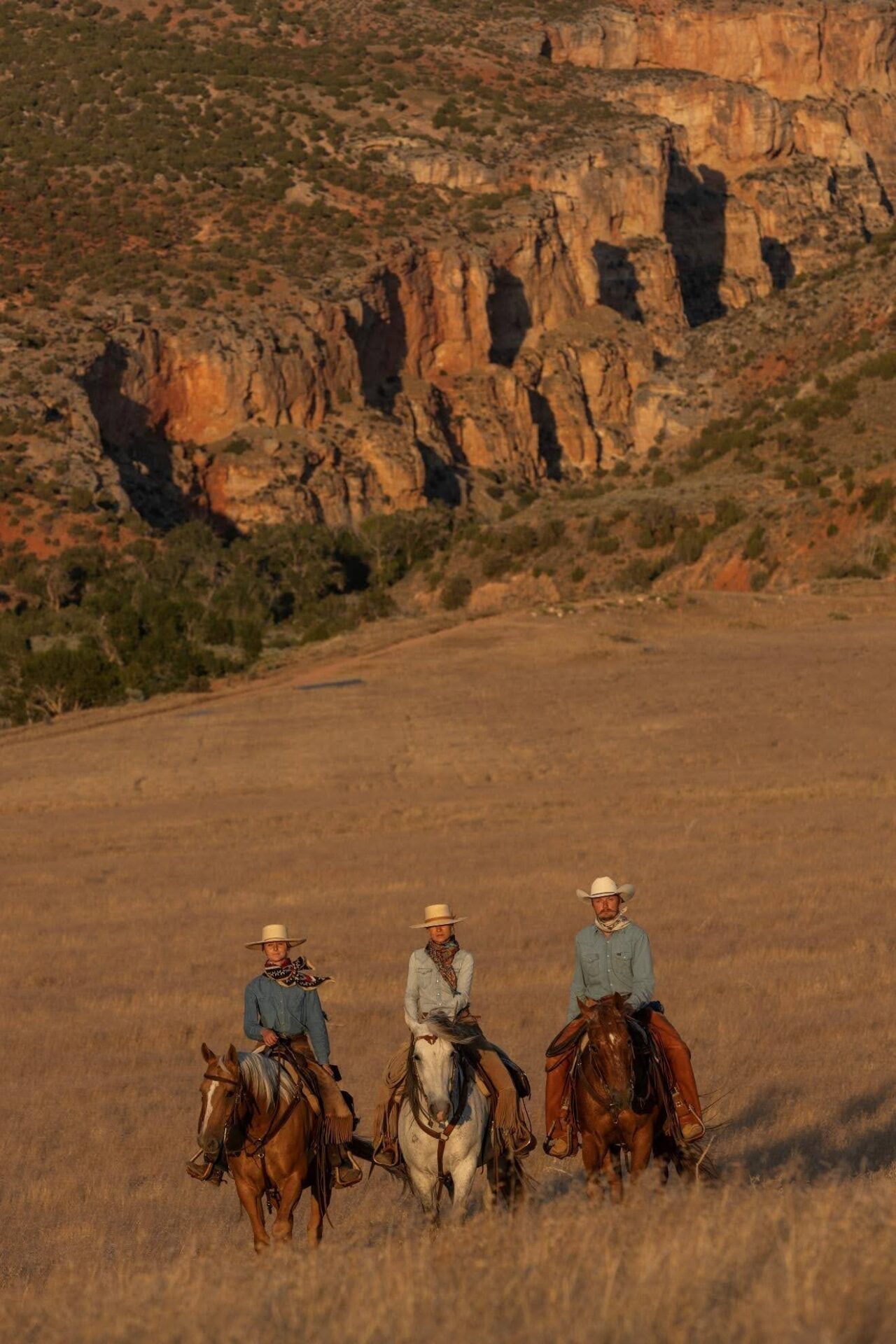
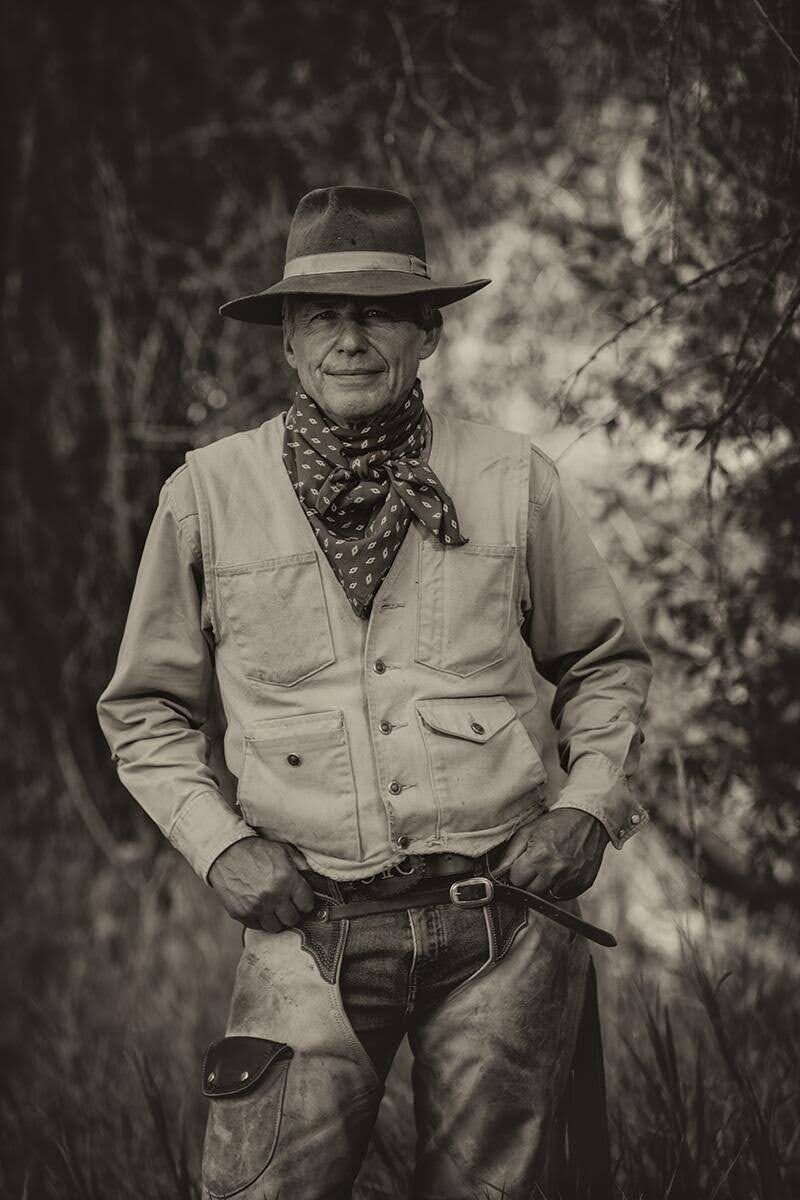
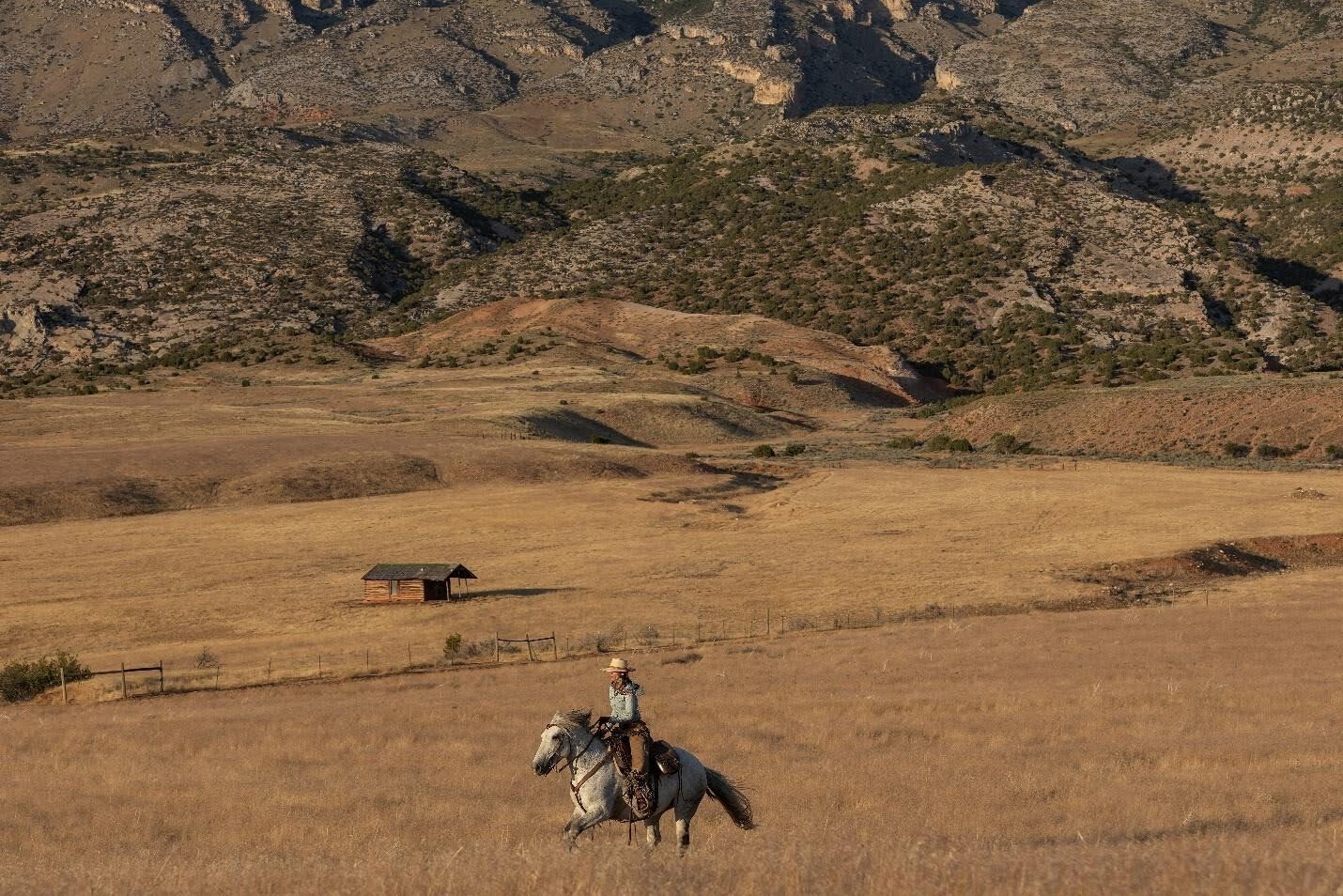
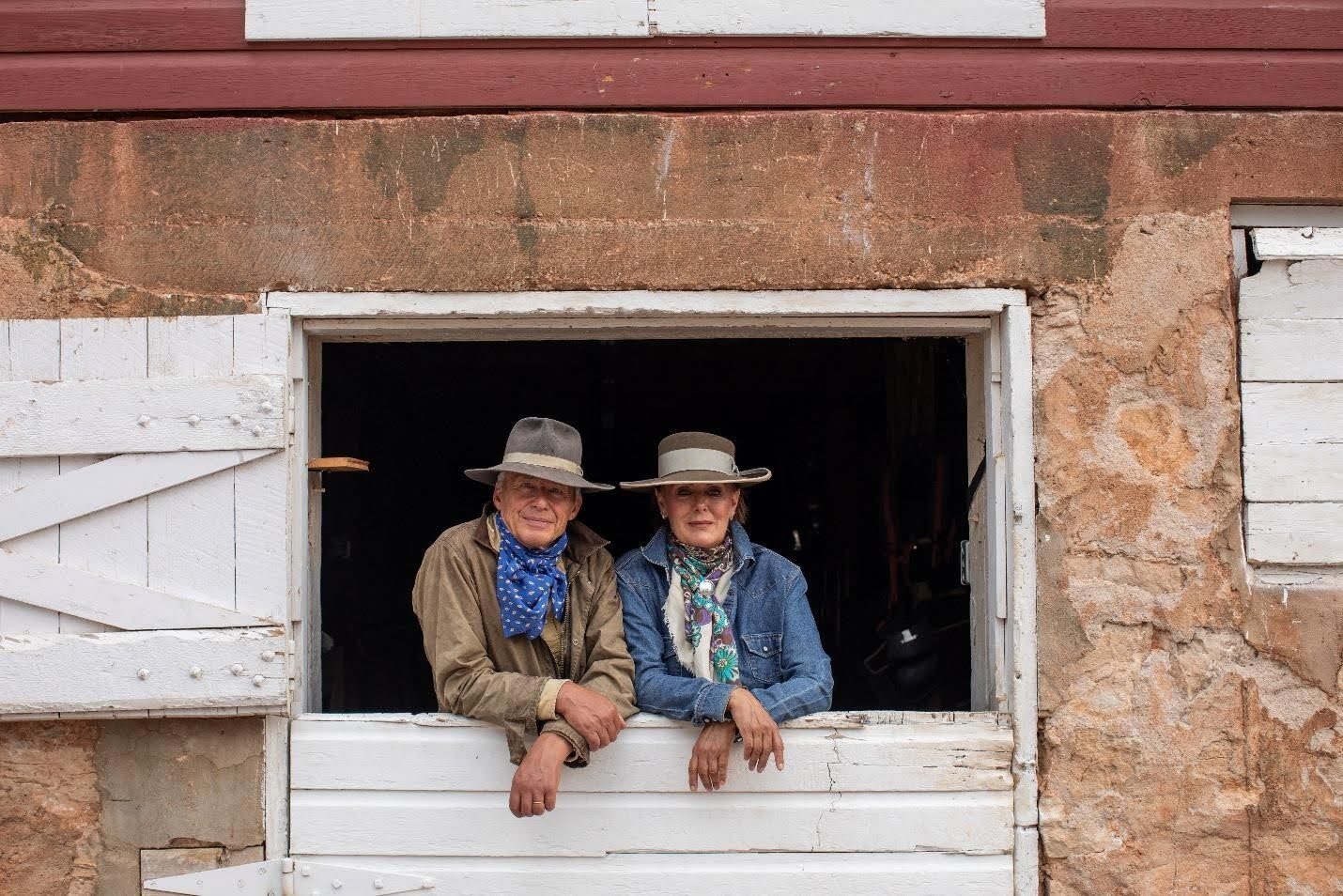
Through our ties to one of the first guest ranches in the area from 100 years ago, Trapper Creek Ranch, The Hideout was featured in the coffee table book 100-Years of Dude Ranching celebrating The North American Dude Ranch Association’s 100 years of existence. To prepare this beautiful book, renowned photographer Scott T. Baxter traveled to member ranches who have been on & off hosting guests for 100 years.
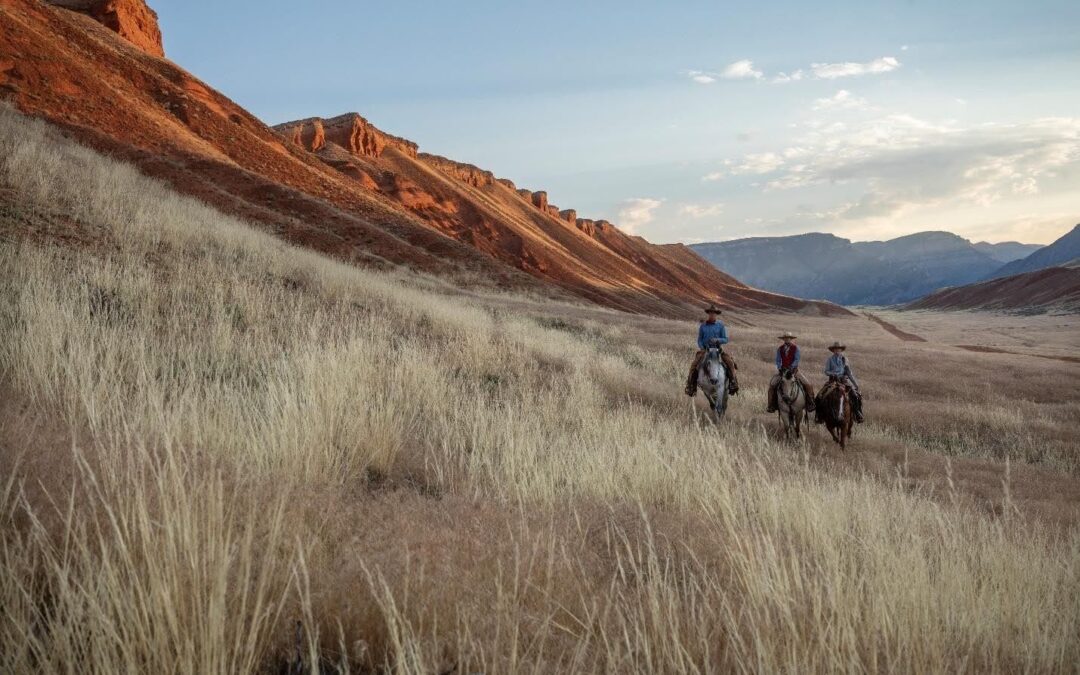
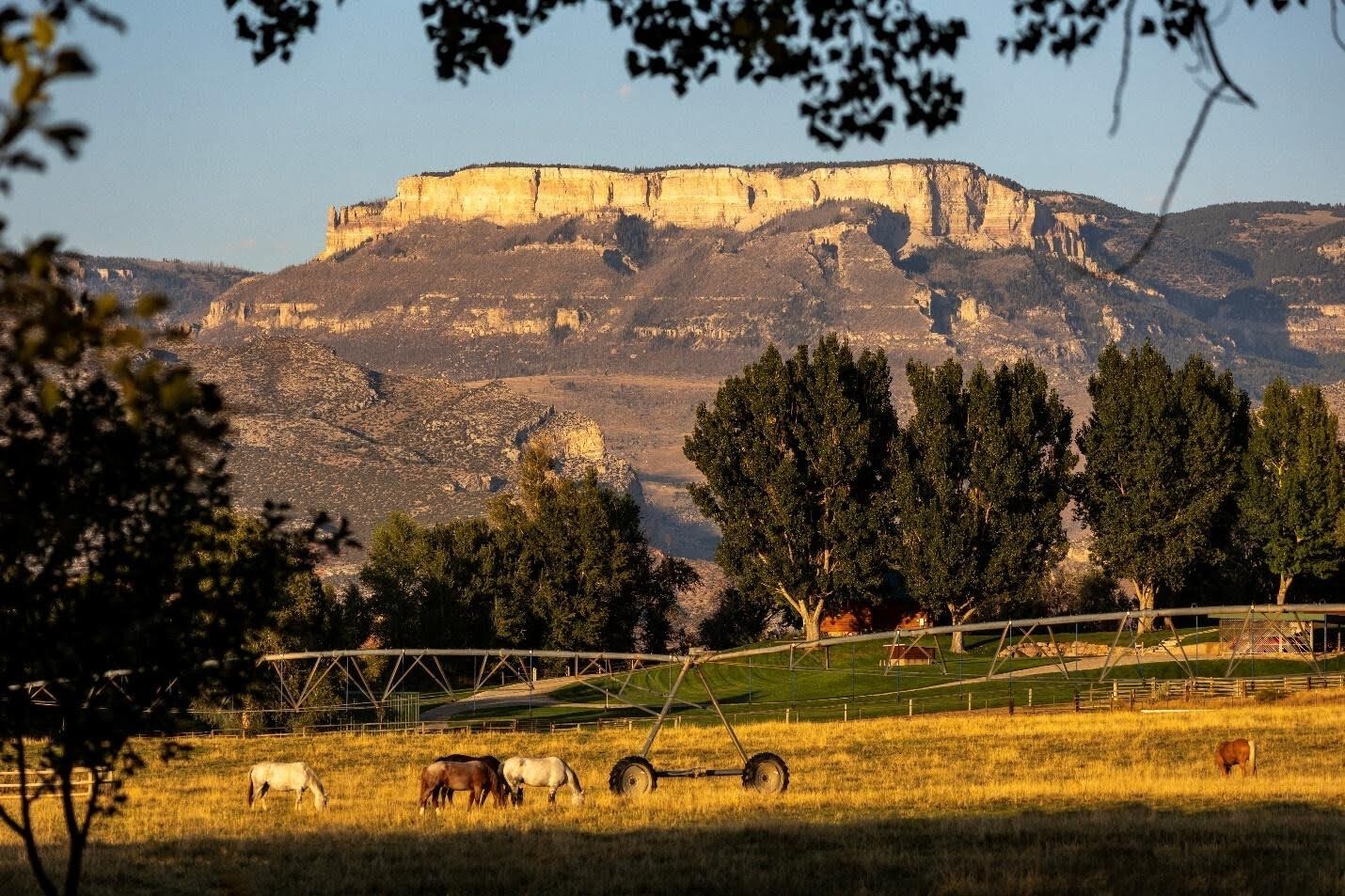
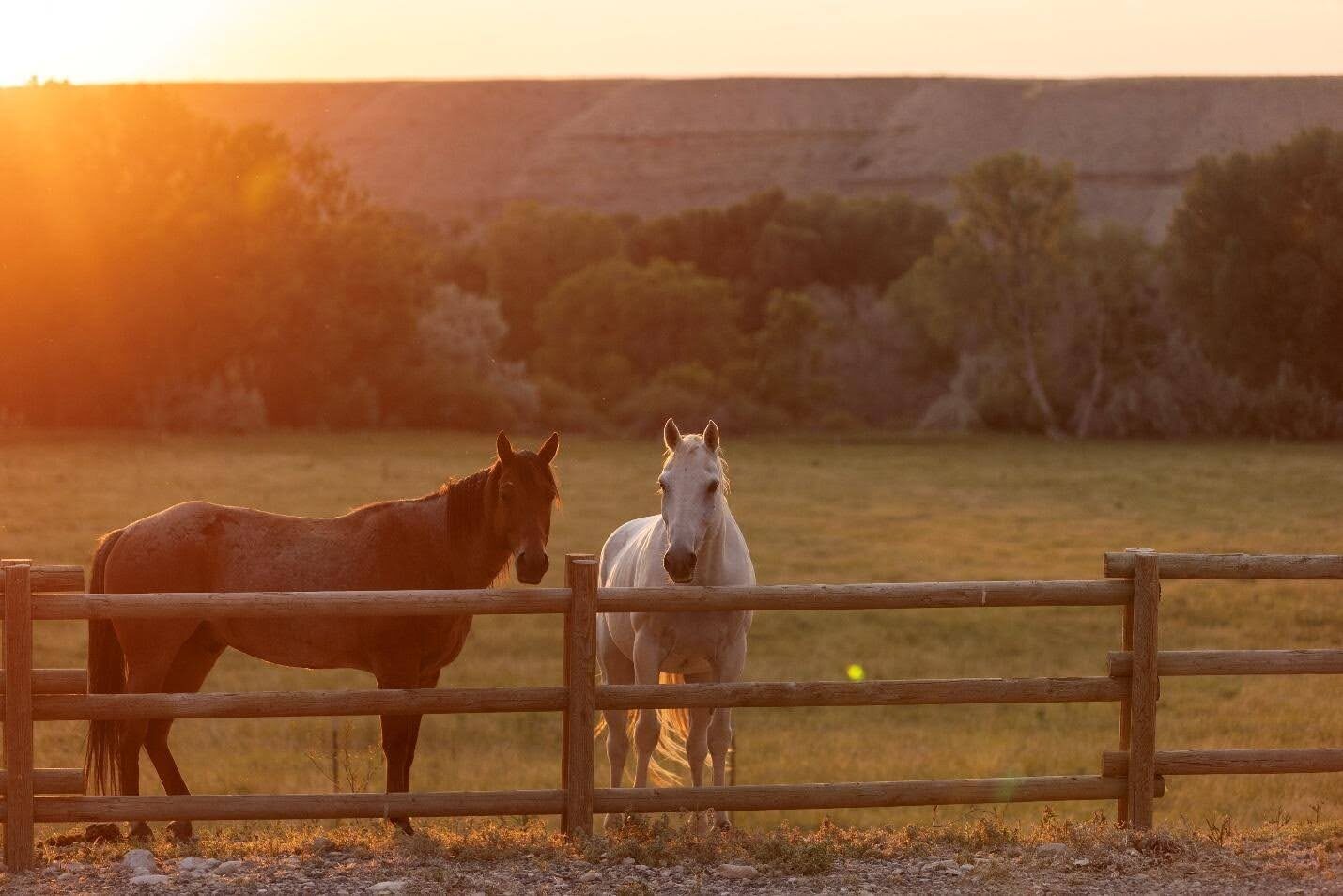
Some of the pictures below are taken at The Hideout by Scott Baxter in 2024.
What did we do during Wintertime?
Well for starters it was not much of a Wyoming Winter. Almost no snow. Unusually warm temperatures and it looks like the 2026 season will be the driest on record. Fortunately, we had a dump of very wet snow last week which was greatly appreciated by our fields and nature in general. We lost power for 48 hours+, which is the first time in the history of the Big Horn Basin according to the old timers who have lived here their entire life. Fortunately, we installed backup generators for the main lodge, cabins and Casitas. Then we found out that one of the brand-new generators broke down after 24 hours. At Trapper Lodge we installed solar powered back up batteries, which worked like a dream. Our first week guests who participated in our “Opening The Hideout” week enjoyed Spring, Summer and Winter weather all in one week. Not that exceptional for Wyoming.
What else did we do during Wintertime?
This was one of the first times we did not have Winter Riding weeks or Photography Weeks. Given the warm weather, Marco, Ever and the team got a lot of work done outside that was not possible during normal winter. They tackled an unusually big Project and To Do list this Winter.
That means everything looks even better than after a normal Winter.
New Trapper Creek Ranch center pivot
Our big project that was long overdue in the farming part of the business, was installing a center pivot irrigation system at Trapper Ranch in the big field. This field is a huge field, with a lot of river rocks, which means that using flood irrigation takes a long time to cover the field. The water just disappears underground. We estimate that the center pivot will save approximately 38,686,400 gallons of water during irrigation season. It also means that even during a dry season as we are experiencing currently, we can still raise more hay per acre than before. Of course, it will take us some learning to manage this new system which is gravity fed by a settling pond constructed at the headgate in the canyon. The wheels need power to move, but unlike most center pivots the water is gravity fed because there is enough pressure available. Other areas of the ranch will still be irrigated with flood irrigation.
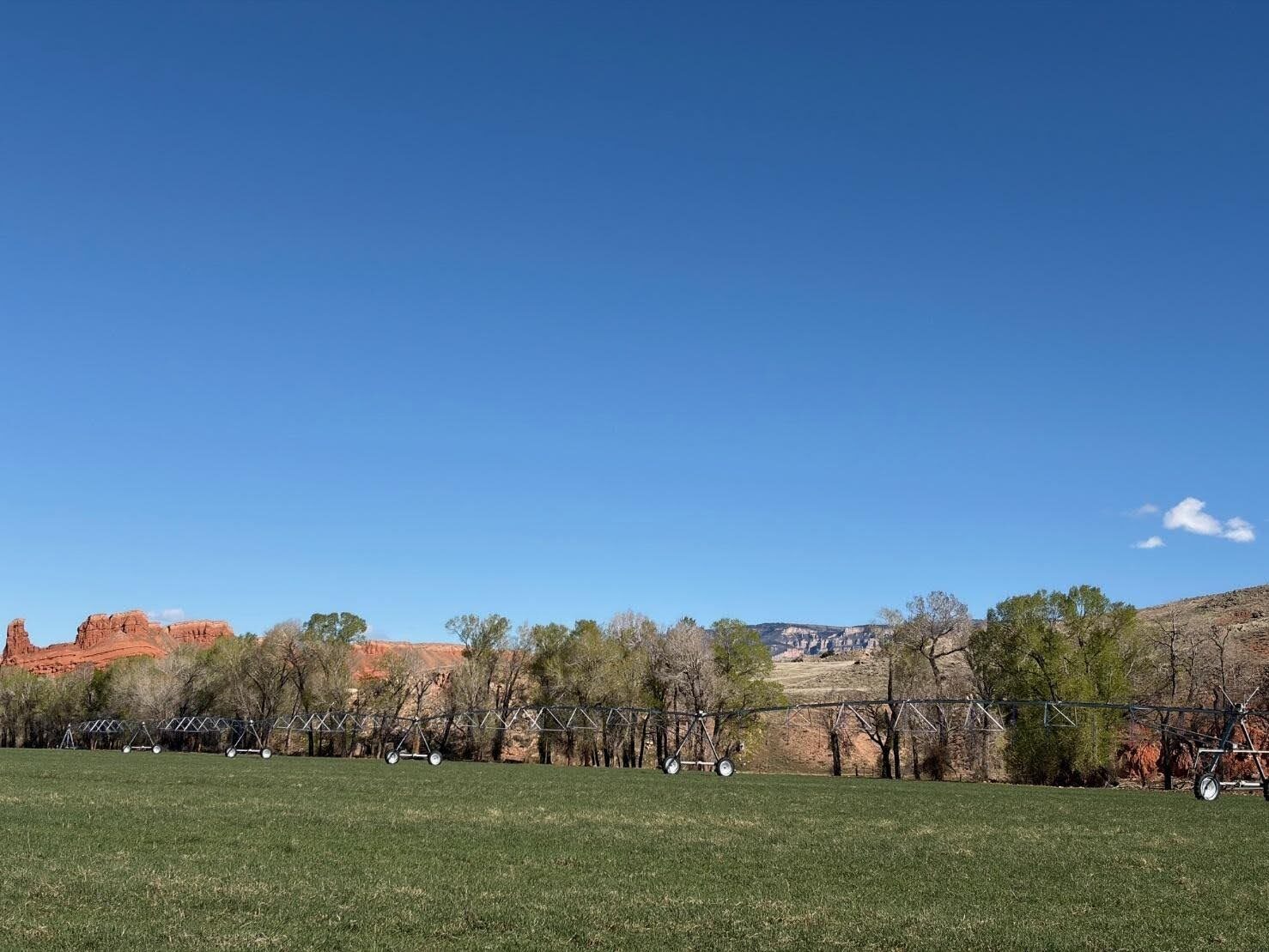
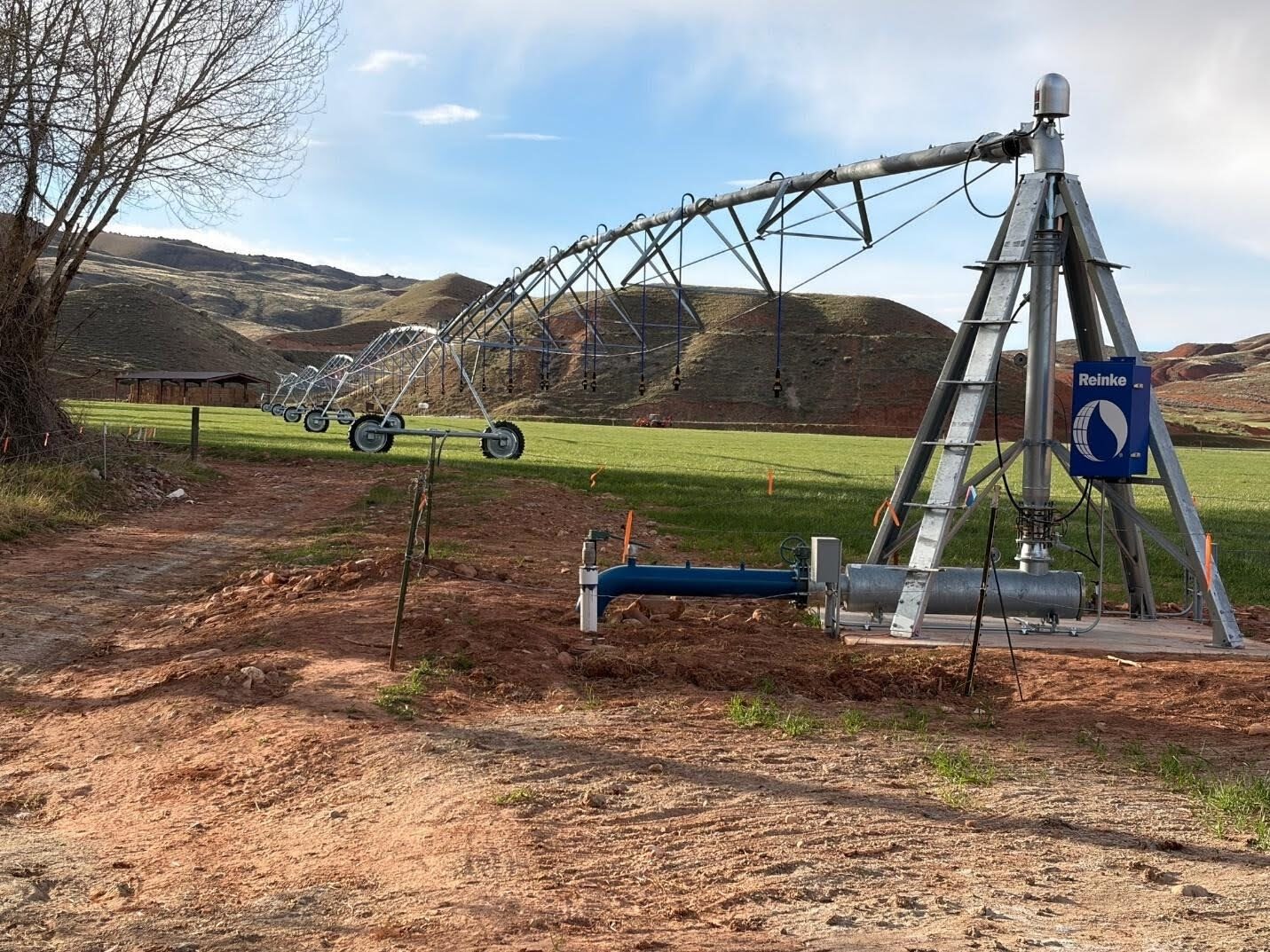
A lot of digging involved installing underground water and power lines. To bring power to the pivot, the power company bored under Trapper Creek. We also took the opportunity to put most of the electric cables underground.
Exploring Argentina, Chile and Patagonia on horseback.
Marijn, Nina, Phuong Nam and I went on a riding vacation in Patagonia. 5 days on an Argentinian Estancia and a 7-day horse trek from place to place. We rode an average of 18 to 27 miles daily. We had a ton of fun but concluded that benchmarking to our own program we operate a pretty good show, especially in terms of safety and quality of horses.
Unfortunately, on the last day with 2 hours to ride, Nina was double-barreled by one of the horses in Patagonia. We spare you the details, but she is out for 6 months, currently recovering from operations.
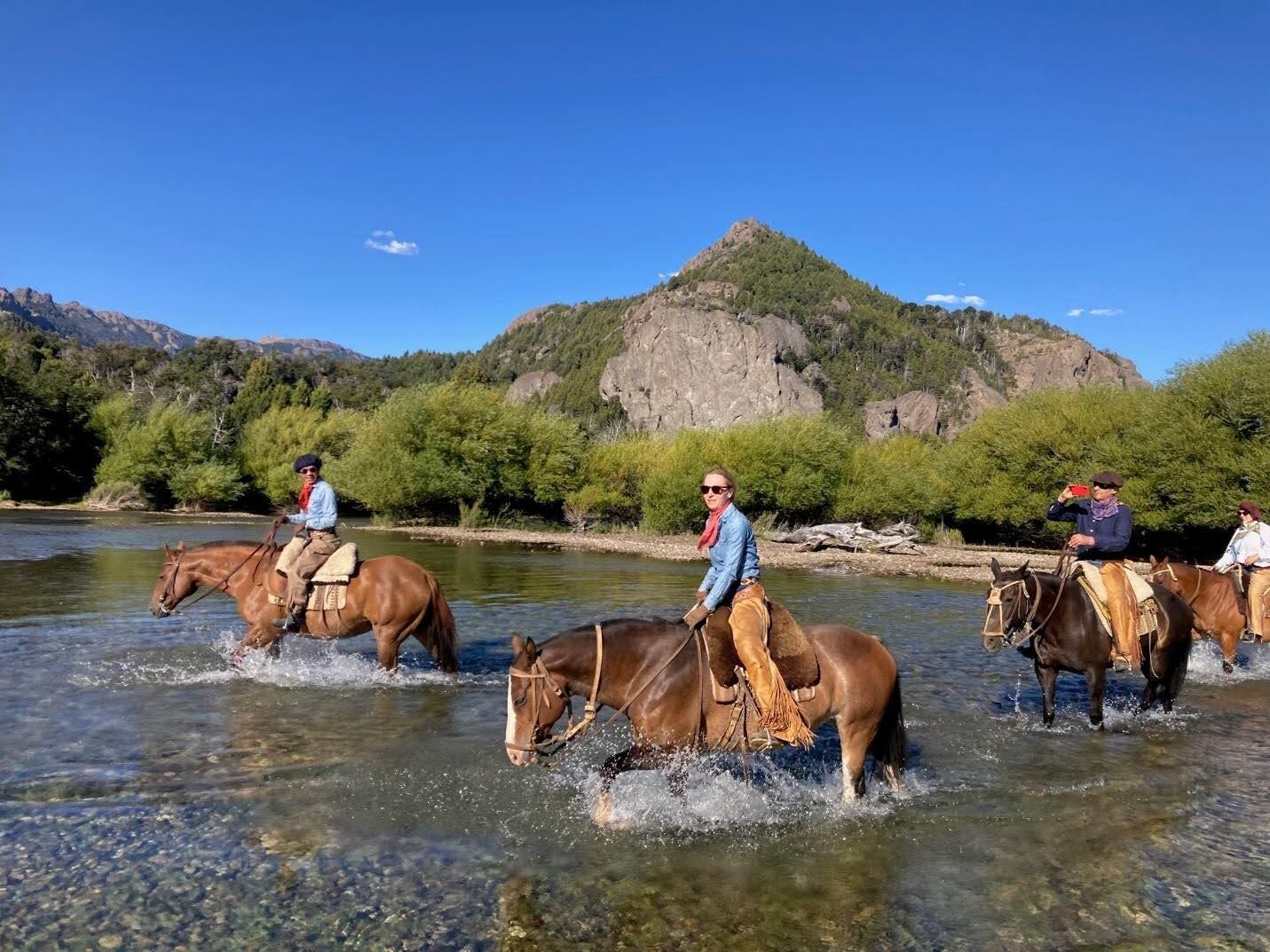
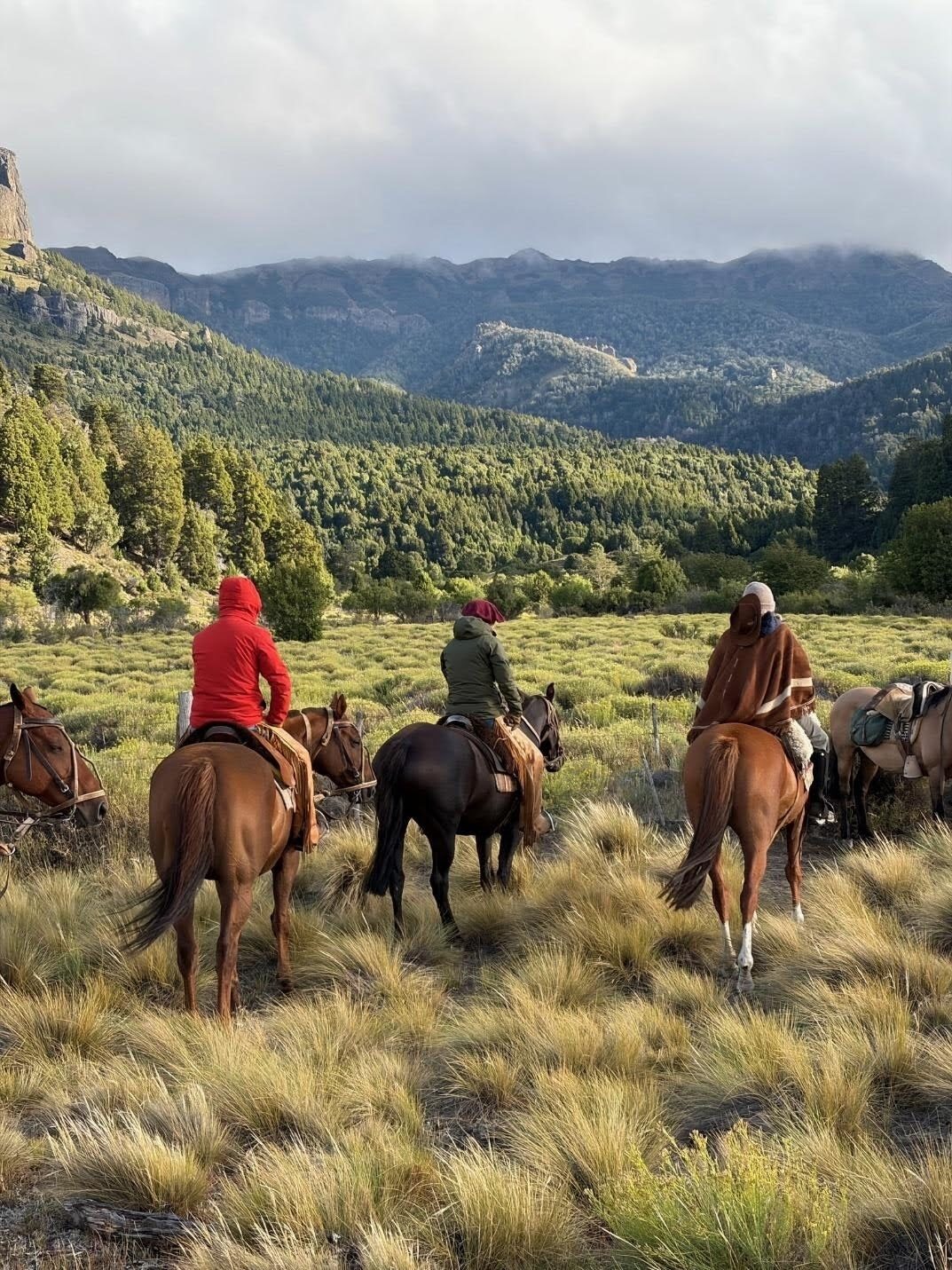
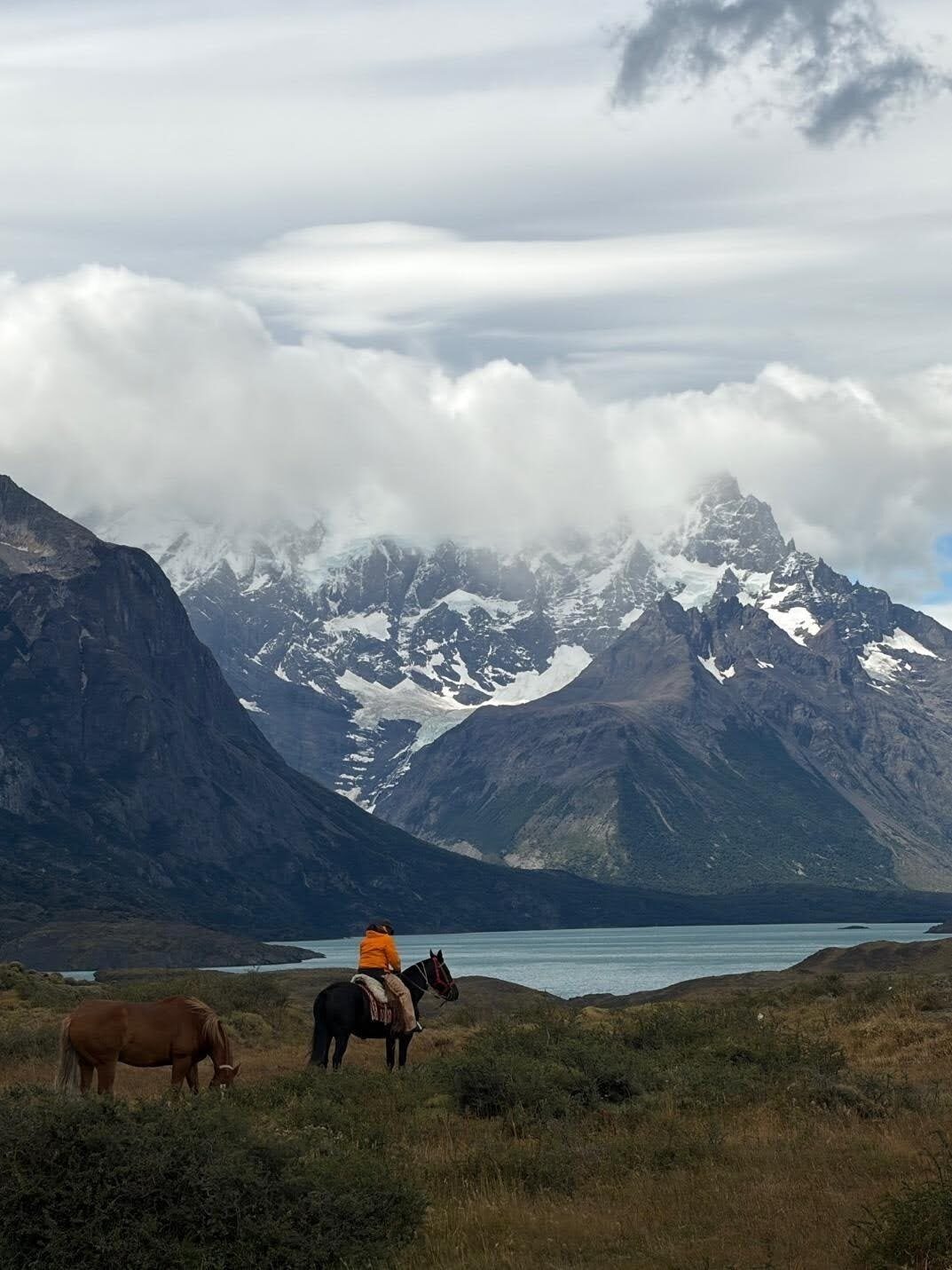
And yes, it was windy, cold and rainy….
Our 2026 Team…
As shared in previous blog post, many familiar faces return, but of course there are several new faces. Three new wranglers at The Barn. Jeff, our Chef, signed on again. A big relief! With Krista in her second season, and Melanie back in the office we are manned (by women) better than ever before. Of course, our Housekeeping Team and Maintenance Team are all very seasoned and ready to go.
With Nina out, Marijn jumped back in to position and together with Caroline our Hospitality Manager, she is catching horses in the morning and doing the Riding Orientation. Repeat wranglers Molly, Allie, Sarah, Amanda and Erick jumping in on and off, in addition to our three new wranglers and amateur volunteers Phuong-Nam and Peter offering their services as needed, we are well manned (womened?). In a couple weeks from now Nina will be seen on crutches at the Barn to help with management and logistics.
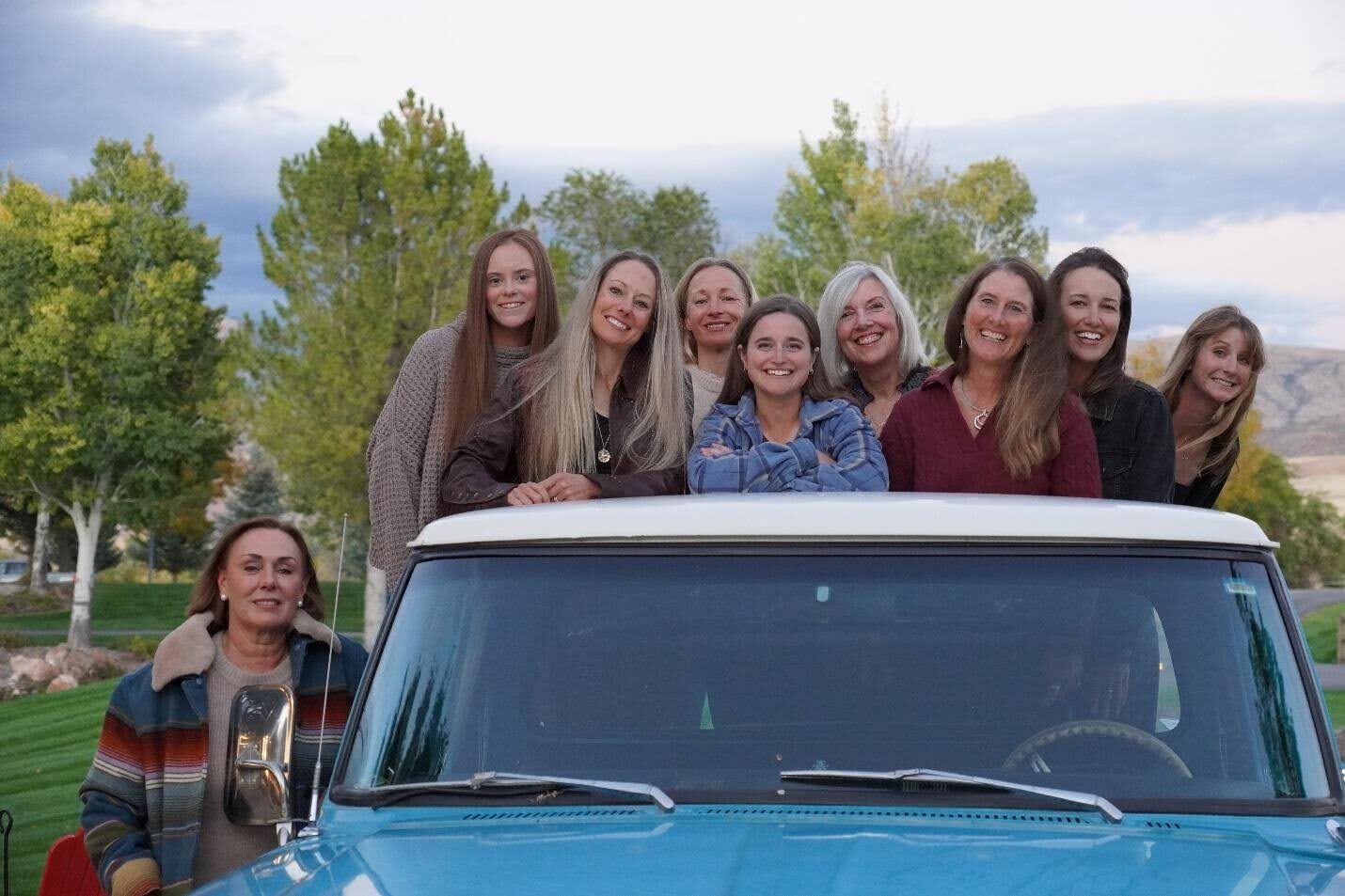
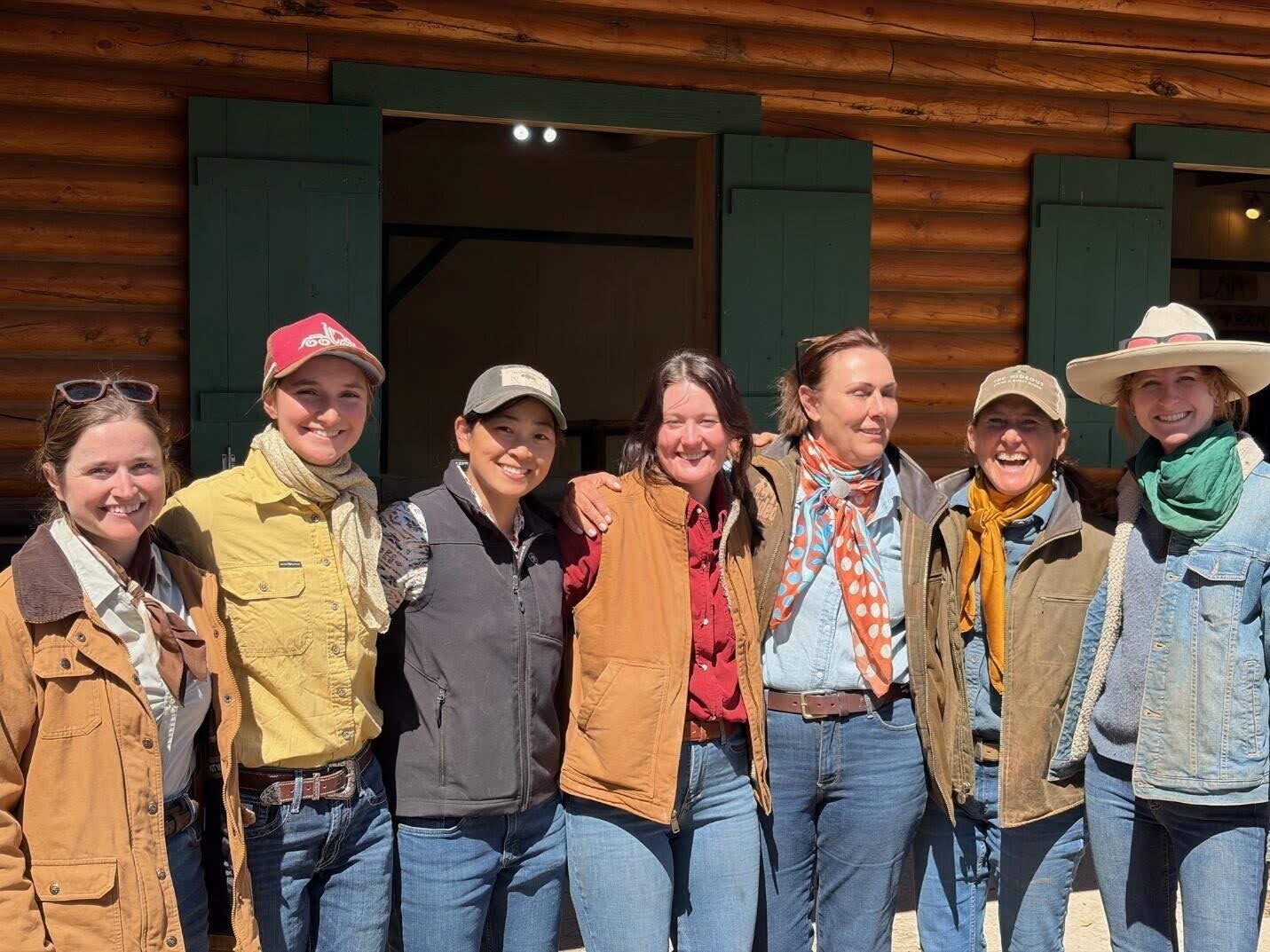
I am sharing this picture again of our 2025 Wrangler Team above because it was such a popular picture of a popular team. On the picture below you can meet part of our 2026 Wrangler Team. Amanda joins us next week and Sarah joins us early May. Nina not pictured is recovering from her ACL operation, but you will see her soon hopping around at The Barn on crutches.
Horses?
Well, we keep investing in new horses, retiring and replacing horses. Marijn and Nina added 8 new horses this Winter. The goal was to buy horses that we can use immediately and do not need a lot of additional training. We have plenty of young projects around.
In addition to the 8 new horses, some of the younger horses that came through the ranks and went through the training program, last season ridden by the wranglers entered the guest program. And we added 12 lease horses for the season who seem like very nice mounts.
Spring means feeding hay
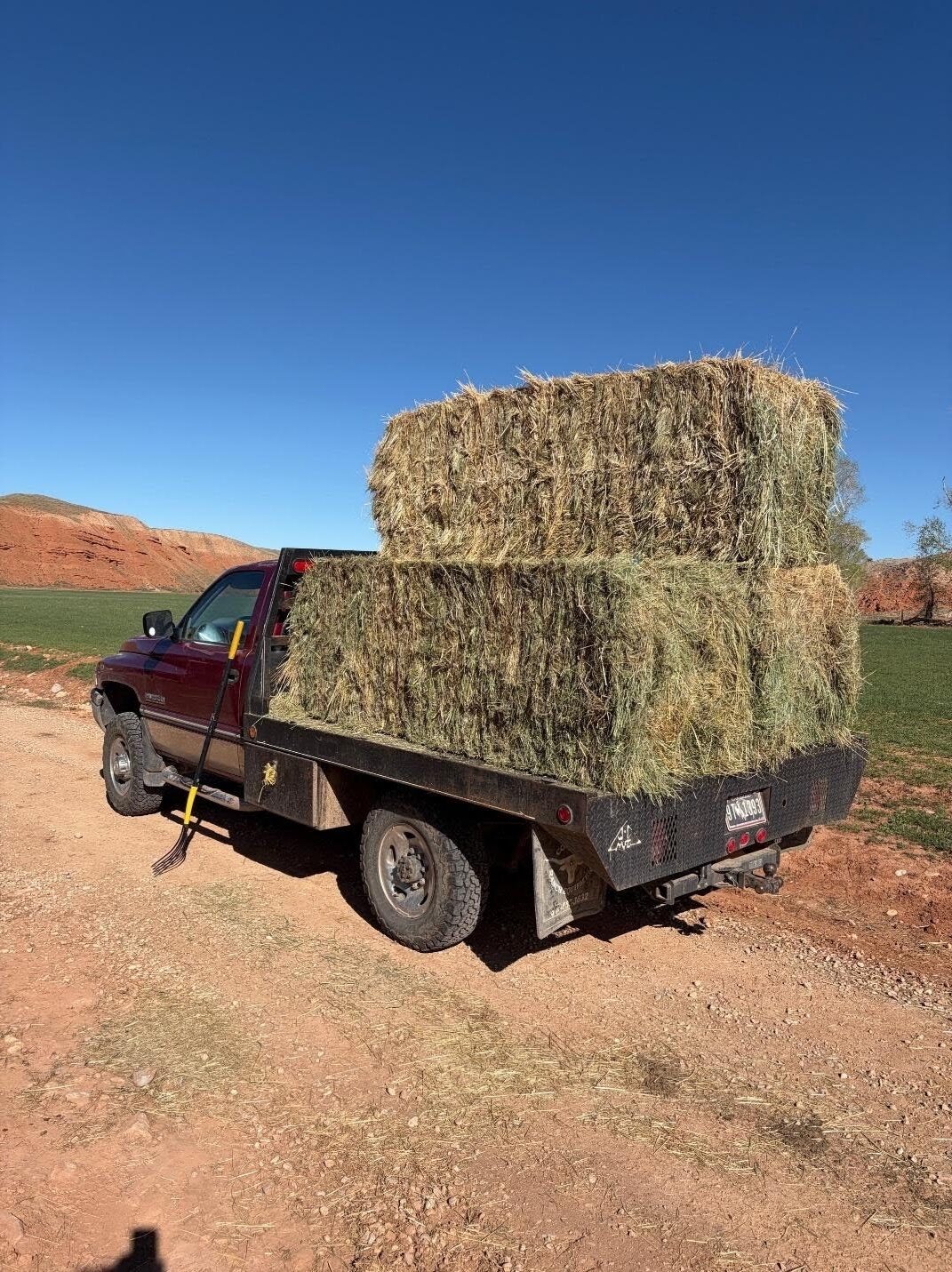
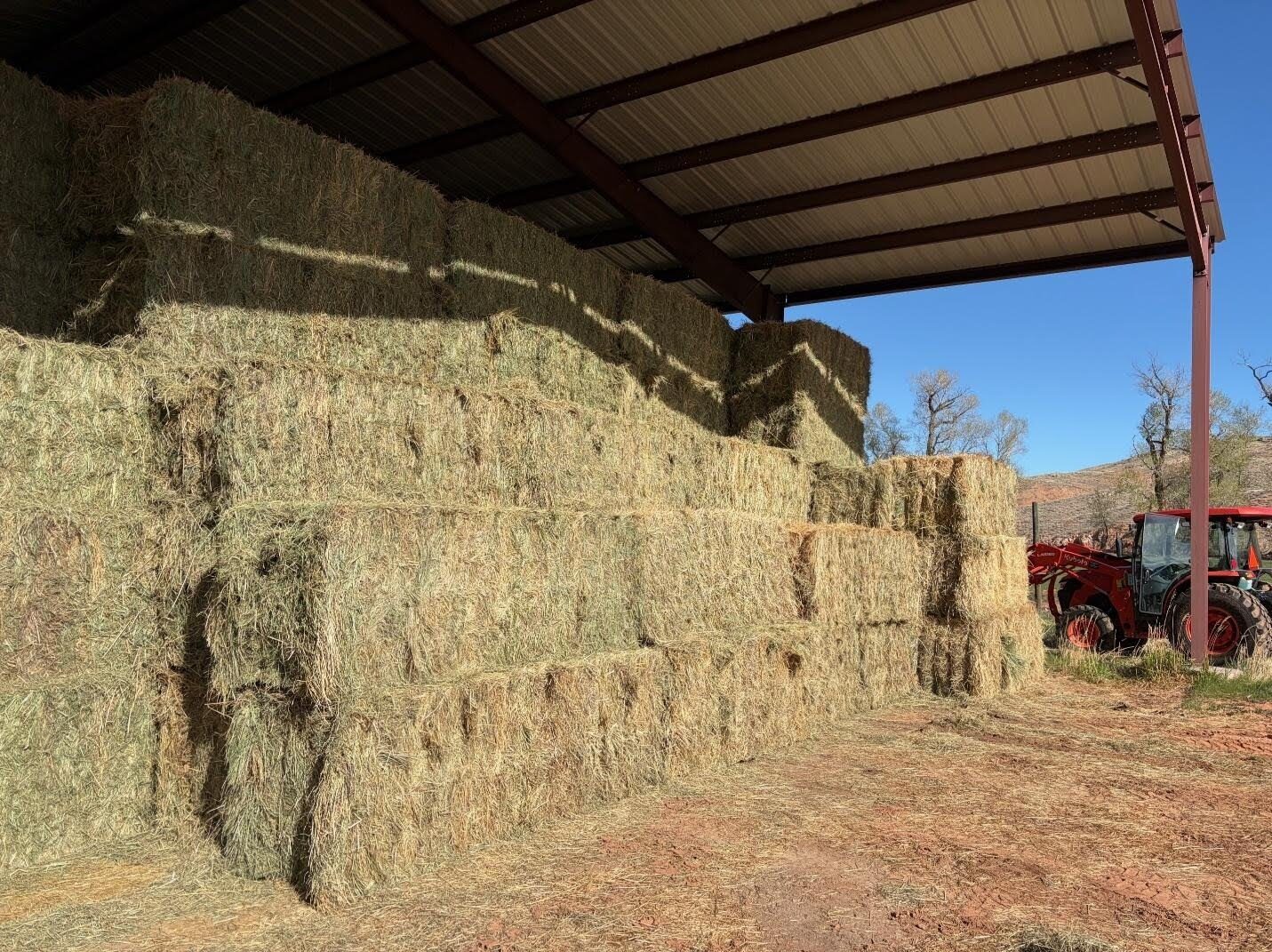
Spring is the time of the year where we usually feed most of our hay. For starters the winters have become increasingly mild with little or no snow on the ground, which means the horses can continue grazing. When we move the horses from the winter pastures at Trapper Ranch, the grass at The Hideout still needs to grow. We typically put the horses in what we call “the steer pasture” and feed them hay while they start grazing partly on green grass. That way their stomach and digestive system gradually gets used to the green, sugar rich grass. For a month each day we feed around one ton of hay to our horses for which we use out loyal 31-year-old, 314,000-mile Dodge Diesel “The Feed Truck”. As it is a manual we can put it in 4×4 low, first gear, jump out of the cabin and spread hay while the truck keeps very slowly moving on its own. Very handy as Peter does not need a second person to feed the horses.
In addition to the 8 new horses, some of the younger horses that came through the ranks and went through the training program, last season ridden by the wranglers entered the guest program. And we added 12 lease horses for the season who seem like very nice mounts.
Spring means feeding hay
Spring is the time of the year where we usually feed most of our hay. For starters the winters have become increasingly mild with little or no snow on the ground, which means the horses can continue grazing. When we move the horses from the winter pastures at Trapper Ranch, the grass at The Hideout still needs to grow. We typically put the horses in what we call “the steer pasture” and feed them hay while they start grazing partly on green grass. That way their stomach and digestive system gradually gets used to the green, sugar rich grass. For a month each day we feed around one ton of hay to our horses for which we use out loyal 31-year-old, 314,000-mile Dodge Diesel “The Feed Truck”. As it is a manual we can put it in 4×4 low, first gear, jump out of the cabin and spread hay while the truck keeps very slowly moving on its own. Very handy as Peter does not need a second person to feed the horses.
As usual thank you for reading to the end. More adventures to come.
We look forward to welcoming you to new adventures at The Hideout.
Thank you for visiting us!
Peter